Why Learn Taekwondo: Benefits, Differences, and Cultural Value
Taekwondo is a Korean martial art that combines combat techniques, self-defence, sport, and discipline. Known for its emphasis on high, fast kicks and spinning techniques, Taekwondo is not only a method of physical training but also a way to build mental strength and character. Rooted in a deep tradition of respect and perseverance, it has gained worldwide popularity for its structured belt system and Olympic recognition.
About Kang’s Taekwondo
Kang’s Taekwondo in Sydney was established in 1998 by Grand Master H.K. Kang. It currently has nine locations, teaching Taekwondo to a range of students, from infant school age to international competition levels.
How Martial Arts Differ from Other Sports
Origins in Self‑Defence
Most martial arts Kellyville began as systems to defend oneself or one’s community, techniques designed to disable or deter an aggressor in real situations.
Holistic Growth
Beyond fitness, martial arts emphasise discipline, focus, resilience, respect, humility, and ethical conduct—qualities not always primary in conventional sports.
Rooted in Culture and Tradition
Each martial art often reflects its country’s heritage, philosophy, rituals, etiquette, and history, providing cultural richness to practitioners.
Competition vs Self‑Improvement
Although some martial arts (like Taekwondo or Judo) are Olympic sports, many schools focus more on personal growth, belt advancement, mental calm, or simply mastering forms and self‑defence—not just winning tournaments.
In summary, martial arts offer a multi‑dimensional path: athletic challenge, moral development, and cultural connection, often missing from pure sporting pursuits.
How Taekwondo Differs from Other Martial Arts
Kicking Emphasis
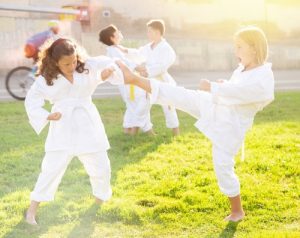
Taekwondo Rouse Hill is globally recognised for its diverse, high‑speed, high‑impact kicks, including spinning, jumping, and head‑height techniques. These moves demand flexibility, timing, and precision.
By contrast, Karate, originating in Okinawa and Japan, emphasises more hand strikes, blocks, and lower/close‑range kicks, with power generated through core stability rather than elevation or flair.
Stance and Movement
Taekwondo practitioners adopt upright, mobile stances that enable explosive leg attacks and dynamic footwork.
By comparison, Karate often uses lower, rooted stances, prioritising stability and linear power delivery.
Philosophy and Integration
Taekwondo integrates physical training with mental discipline and ethical values: respect, self‑control, perseverance, and harmony of body, mind, and life. Its foundational tenets emphasise that poomsae (forms), sparring, and personal development are unified aspects of a life‑long path.
Karate shares its own philosophical structure (e.g., Zen influence), but the balance of kicking and punching is more even, creating a different rhythm and mental focus.
Competition Focus
Taekwondo is an Olympic sport governed by World Taekwondo, featuring electronic scoring systems, specially designed mats, headgear and protective sensors. It rewards accuracy, speed, and complex kicking techniques like spinning kicks.
Karate sports exist too, with kumite and kata formats, but they often emphasise hand-striking points and close‑quarters control. Rules vary by governing body, making Taekwondo more standardised—and therefore more suited to Olympic inclusion.
Why Study Taekwondo?
Effective Self‑Defence and Fitness
Its emphasis on distance‑creating leg techniques makes Taekwondo effective in neutralising threats from a safer range. The training demands speed, agility, cardiovascular endurance, and flexibility, making it a comprehensive full‑body workout.
Mental and Emotional Benefits
Studies show training improves concentration, discipline, self‑control, and cognitive alertness. Practicing forms and sparring fosters a state of intentional focus, sometimes called “attention state training.” Physical exertion releases endorphins while the discipline of technique and training community supports emotional well-being. Progressing through belts builds confidence and resilience.
Cultural and Personal Development
Taekwondo is more than a sport—it’s a way of life. It promotes unity of movement, mind, and society. Its centuries-long history emphasizes leadership, peace, and integrity. Training includes poomsae (forms), sparring, self‑defence techniques, and etiquette—creating a lifelong learning path.
Conclusion
Martial arts are different from other sports as they combine self‑defence, personal development, and tradition beyond competition. Taekwondo stands out among martial arts for its emphasis on kicking, dynamic movement, and mental‑physical unity.
Why learn Taekwondo? Because it develops effective self‑defence skills, all‑round fitness, mental discipline, stress resilience, confidence, and deep personal growth. Whether your goal is athletic challenge, self‑defence, or character development, Taekwondo offers a rich, structured path rooted in tradition and modern competition.