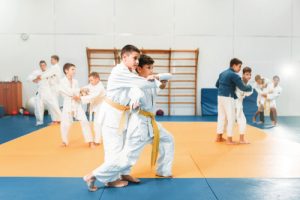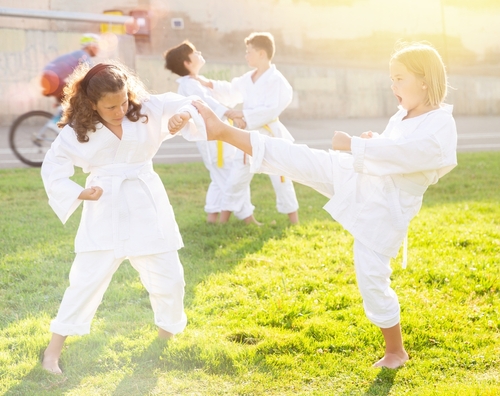
Martial arts, including Taekwondo, continue to grow in popularity across all age groups. Parents are enrolling their children for the structure and discipline it offers. Adults join for self-defence, fitness, and the personal development it provides. So why are martial arts continuing to grow in popularity?
Kang’s Taekwondo
Kang’s Taekwondo in Sydney was established in 1998 by Grand Master H.K. Kang. It currently has nine locations, teaching Taekwondo to a range of students, from infant school age to international competition levels.
What Makes Taekwondo Unique?
Taekwondo is a Korean martial art known for its powerful and fast kicking techniques. It also includes punches, blocks, and forms (called Poomsae). Because of its fairly standardised techniques and rules, it features in international competitions, including the Olympics. It is a popular choice for both fitness and self-defence.
Can You Learn Martial Arts Online?
Not really. Not effectively. While online resources might be part of the learning process, any real martial arts in Kellyville require in-person practice to learn timing, distance, and reaction to live attacks. This principle applies to virtually all forms of learning, from musical instruments to flying a plane. Hands-on experience with an instructor and partners is crucial to build genuine skill. We simply can’t develop far through books and videos alone.
Will Martial Arts Make My Child More Aggressive?
No, martial arts do not promote aggression. On the contrary, they tend to reduce it. Martial arts like Taekwondo focus on discipline, self-control, and respect. Children are taught to develop a balanced mindset that deals well with emotions. Through structured training and clear boundaries, they learn how to stay calm under pressure. They tend to feel less stressed and less threatened by daily life. While some individuals are initially drawn to martial arts for its “tough” image, they quickly come to understand that real martial arts are about balance, not brawling.
Doesn’t Acting on Aggression Help Get It Out of My System?
This is a common myth often referred to as “ventilation theory” or mislabelled as “catharsis.” The idea is that hitting a punching bag or sparring helps “release” pent-up anger. However, psychological studies, and even daily observation of children, have shown the opposite result: acting on violent feelings tends to only reinforce aggressive behaviour, not reduce it. True catharsis, as originally explained in ancient Greek philosophy, was about the emotional journey where the individual develops an understanding that takes them beyond their aggression. Martial arts encourage reflection and self-awareness, not acting out violent impulses.
What Are the Benefits of Competition in Martial Arts?
Competition is optional in most martial arts schools, but it does offer unique benefits. Competition gives individuals experience in how to manage adrenaline and stress in a high-pressure situation. This can be valuable in real-life emergencies, where staying calm and thinking clearly is vital. It also promotes goal setting, mental toughness, and sportsmanship. But of course, personal growth and developing skill are more important than competitiveness.
Do Women and Girls Practice Martial Arts?
There are many women and girls actively participating in martial arts, including at professional and Olympic levels. Martial arts are for everyone, regardless of gender, and many women find it empowering for fitness, self-defence, and personal development.
Is There an Age Limit for Starting Martial Arts?
Many children begin as young as four, benefiting from improved motor skills and discipline. There is no real upper limit. Older adults often train to stay physically fit and mentally sharp. Martial arts can be adapted to almost any age or fitness level.
Is Martial Arts Like What You See in the Movies?
We all realise that Hollywood films are nothing like real life. Martial arts movies can be inspiring, but they are full of exaggeration and special effects. Real martial arts are less flashy but more rewarding. The most meaningful aspects of martial arts are the developing skill, the personal journey, and the connection with other students. If you’re looking for real personal triumph, martial arts provide a genuine path that’s more personally fulfilling than any Hollywood drama.
Is Taekwondo Safe?
No sport is without some risk. But with proper instruction and safety gear, Taekwondo is much safer than many other pursuits. Really, anything would be safe if practiced 100% correctly. Taekwondo instructors follow strict protocols to ensure students train within their capabilities. Protective equipment is used in sparring, and techniques are introduced progressively. Like any sport, minor injuries can occur, but the environment is designed to minimise risk. We like to think that Taekwondo training is there to keep you safe.
Conclusion
Martial arts such as Taekwondo offer far more than just physical skills. They teach mental discipline, emotional regulation, and ethical behaviour. Whether you’re a parent considering classes for your child or an adult curious about starting a new journey, martial arts provide a framework for lifelong growth, and answer many questions along the way.